Contact us
choose absolute law
The decisions you make now can shape your future. Choose Absolute Law and work with a team committed to protecting your rights and pursuing the best possible outcome for your case.
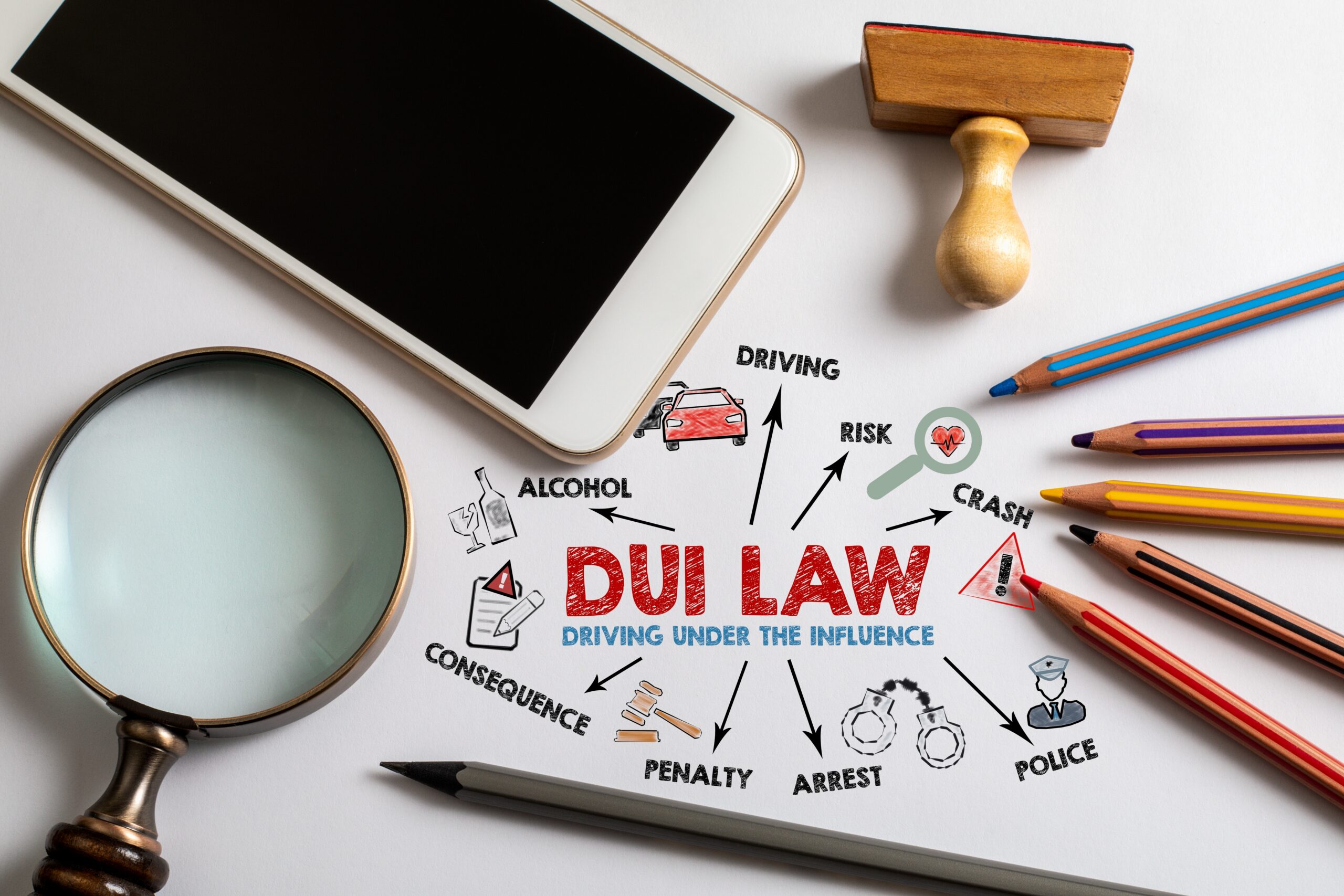
Florida DUI law includes important recent changes that remain relevant in 2026. If you or a loved one has been arrested in Fort Myers or elsewhere in Southwest Florida, understanding the current law and the deadlines that may apply can be an important part of protecting your rights.
Absolute Law’s criminal defense attorneys defend clients throughout Fort Myers and Lee County facing DUI charges. Call us today at 239-ANTHONY for a free consultation.
Florida Statute § 316.193 makes it unlawful to drive or be in actual physical control of a vehicle while under the influence of alcoholic beverages, certain chemical substances, or controlled substances to the extent that normal faculties are impaired. A person may also be charged with DUI based on a blood-alcohol level of 0.08 or more or a breath-alcohol level of 0.08 or more.
For most adult drivers, Florida’s per se DUI threshold is a blood-alcohol level of 0.08 or more or a breath-alcohol level of 0.08 or more. For drivers younger than 21, Florida’s zero-tolerance law can trigger administrative license consequences at a blood- or breath-alcohol level of 0.02 or more. Commercial drivers may also face consequences at a lower alcohol level while operating a commercial motor vehicle, as addressed later in this guide.
Florida’s DUI law does not rely solely on a specific BAC number. It also allows a charge based on impairment of a person’s “normal faculties,” meaning the ability to see, hear, walk, talk, judge distances, act in emergencies, and generally perform the mental and physical tasks required to operate a vehicle safely.
A person may face DUI charges even with a blood- or breath-alcohol result below 0.08 if the state alleges that alcohol, drugs, or another covered substance impaired the person’s normal faculties.
Trenton’s Law is a recent Florida law that took effect on October 1, 2025. Among other changes, it increased consequences for breath- and urine-test refusals and enhanced penalties for certain repeat DUI-, BUI-, vehicular-homicide-, and vessel-homicide-related offenses.
Under Florida’s implied-consent law, a person lawfully arrested for DUI may be asked to submit to an approved breath or urine test. For conduct occurring on or after October 1, 2025, refusing a lawful breath or urine test after the required warnings may result in a separate second-degree misdemeanor charge, in addition to administrative license consequences. The date of the alleged offense, the type of requested test, and the warnings provided can all matter.
Trenton’s Law also enhanced penalties in certain repeat-offender cases involving DUI or BUI manslaughter, vehicular homicide, and vessel homicide. Whether an enhancement applies depends on the person’s prior convictions and the specific offense alleged.
If your DUI case involves a breath- or urine-test refusal, contact Absolute Law promptly at 239-ANTHONY. The date of the alleged offense, the requested test, the warnings given, and other facts may affect the potential consequences.
Florida DUI penalties vary based on factors such as prior convictions, alcohol level, the presence of a minor passenger, and whether the alleged offense involved property damage, injury, or death. Depending on the circumstances surrounding the DUI offense, penalties may include:
A DUI arrest or conviction can also jeopardize CDL privileges, including when the incident occurred in a personal vehicle. Commercial drivers may face consequences at a 0.04 blood- or breath-alcohol level while operating a commercial motor vehicle.
A DUI arrest can trigger an administrative suspension before the criminal case is resolved. This process is separate from any license revocation the court may order after a conviction.
A driver generally has 10 days from the date of arrest to request a formal review of the administrative suspension. The available review process and hardship-license eligibility can depend on the type of suspension, the driver’s prior history, and other statutory requirements.
The administrative-review deadline is short. If you have been arrested for DUI, contact Absolute Law promptly at 239-ANTHONY to discuss your options before the 10-day period expires.
A DUI defense attorney can review the allegations, explain applicable deadlines and procedures, and assess potential issues involving the stop, chemical testing, and other evidence. Because DUI laws and procedures can change, we monitor legal developments that may affect our clients’ cases, including recent changes under Trenton’s Law. Early case review can help identify deadlines, preserve relevant information, and evaluate the allegations from the outset.
Absolute Law provides aggressive advocacy and compassionate representation for people facing DUI charges in Fort Myers and Lee County. Our attorneys stay current on legal developments, including changes that may affect chemical-test refusals and repeat-offender allegations.
If you are facing a DUI charge in Fort Myers or Lee County, contact Absolute Law at 239-ANTHONY for a free consultation. Our attorneys can review the allegations, explain the deadlines that may apply, and help you evaluate your next steps.
Yes. Florida’s DUI law also allows charges based on impairment of a person’s normal faculties, meaning a driver can potentially be charged even with a BAC below 0.08 if evidence suggests impairment affected their ability to drive safely.
Generally, a first DUI is charged as a misdemeanor. However, allegations involving serious bodily injury, death, or certain prior-offense circumstances can lead to felony charges or more severe penalties.
Yes. A DUI allegation may involve legally prescribed medication if the state claims the medication impaired the driver’s normal faculties while the person was driving or in actual physical control of a vehicle.
Potentially. A DUI allegation is not necessarily limited to driving on a public road; it may arise in a parking lot or on private property, depending on the facts and whether the device involved qualifies as a vehicle under Florida law.
Yes. A person tested at law enforcement’s direction may generally have an independent chemical test performed by a qualified person of their own choosing and at their own expense, in addition to the agency-administered test.